Archives
- 2026-09
- 2026-08
- 2026-07
- 2026-06
- 2026-05
- 2026-04
- 2026-03
- 2026-02
- 2026-01
- 2025-12
- 2025-11
- 2025-10
- 2025-09
- 2025-04
- 2025-03
- 2025-02
- 2025-01
- 2024-12
- 2024-11
- 2024-10
- 2024-09
- 2024-08
- 2024-07
- 2024-06
- 2024-05
- 2024-04
- 2024-03
- 2024-02
- 2024-01
- 2023-12
- 2023-11
- 2023-10
- 2023-09
- 2023-08
- 2023-06
- 2023-05
- 2023-04
- 2023-03
- 2023-02
- 2023-01
- 2022-12
- 2022-11
- 2022-10
- 2022-09
- 2022-08
- 2022-07
- 2022-06
- 2022-05
- 2022-04
- 2022-03
- 2022-02
- 2022-01
-
br Apelin Discovered in apelin was
2024-02-10
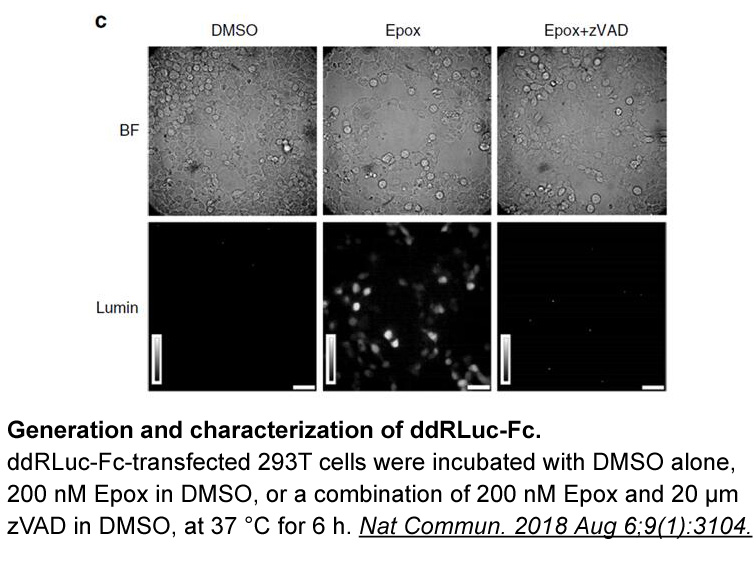
Apelin Discovered in 1998, apelin was initially identified as the sole endogenous ligand for the APJ receptor (Tatemoto et al., 1998). Apelin-77 (pre-pro-apelin) is the precursor for various pharmacologically active apelin isoforms (e.g. apelin-12, -13, -17 and 36), and it shares 75–95% sequence
-
The specific mechanism and neurotoxic
2024-02-09
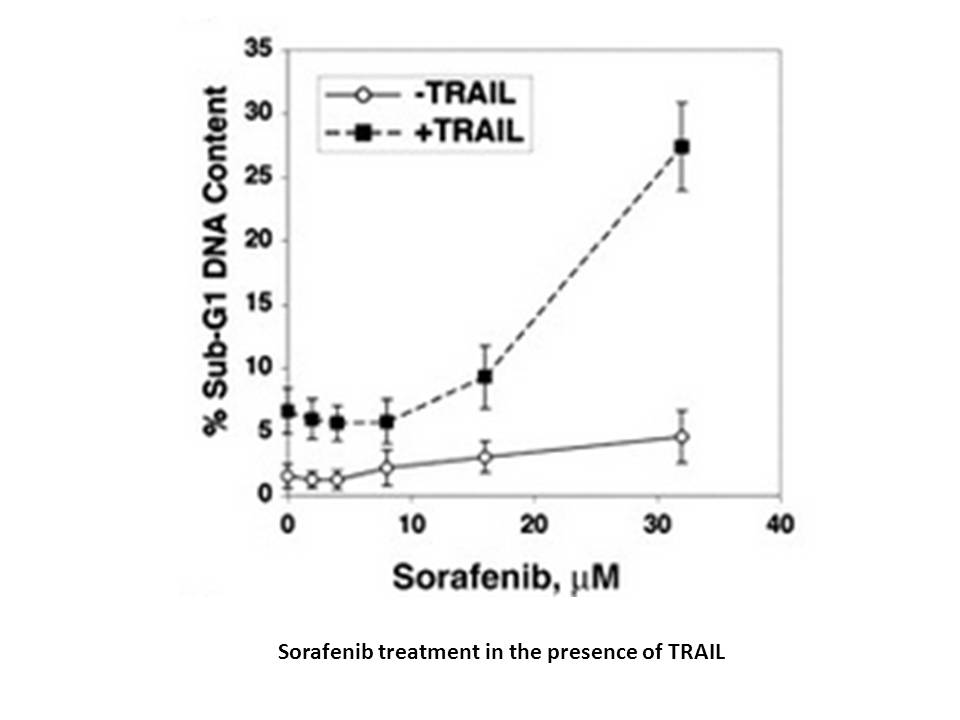
The specific mechanism and neurotoxic Aβ 3-bromo-5-phenyl Salicylic Acid synthesis are yet to be elucidated, however recent studies have provided significant evidence for the amyloid channel hypothesis. These reports have established that relatively small oligomers ( Conflict of interest Acknow
-
MD was the recipient of the Intergroupe Francophone
2024-02-09

MD was the recipient of the Intergroupe Francophone de Cancérologie Thoracique (IFCT) Alain Depierre Grant in 2014. JP was the recipient of the ARISTOT (Association de Recherche, d’Information Scientifique et Thérapeutique en Oncologie Thoracique) grant in 2016. Conflicts of interest statement
-
The excellent potencies selectivities and improved PK associ
2024-02-09
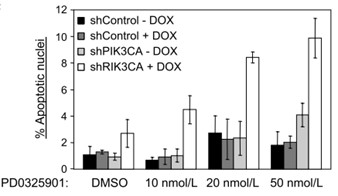
The excellent potencies, selectivities and improved PK associated with the piperazine class triggered more extensive off-target screenings of the highlighted compounds. A screen of more than 100 enzymes, receptors, and ion channels resulted in activity at the norepinephrine transporter (NET). This m
-
Patients with AAG often respond to intravenous immunoglobuli
2024-02-09
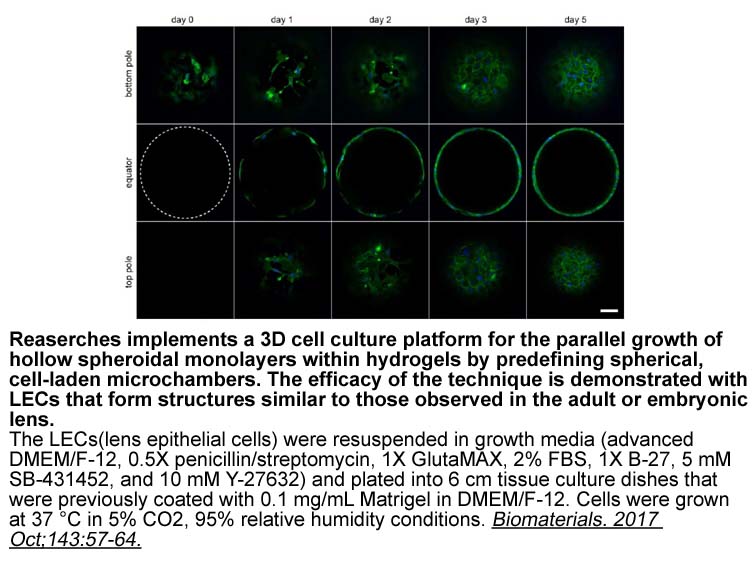
Patients with AAG often respond to intravenous immunoglobulin or plasma exchange. If these therapies are inadequate, ongoing immune suppression with steroids, azathioprine, mycophenylate or rituximab have been shown to be effective in case reports. Our patient seemed initially resistant to steroid t
-
The purpose of the present study
2024-02-09
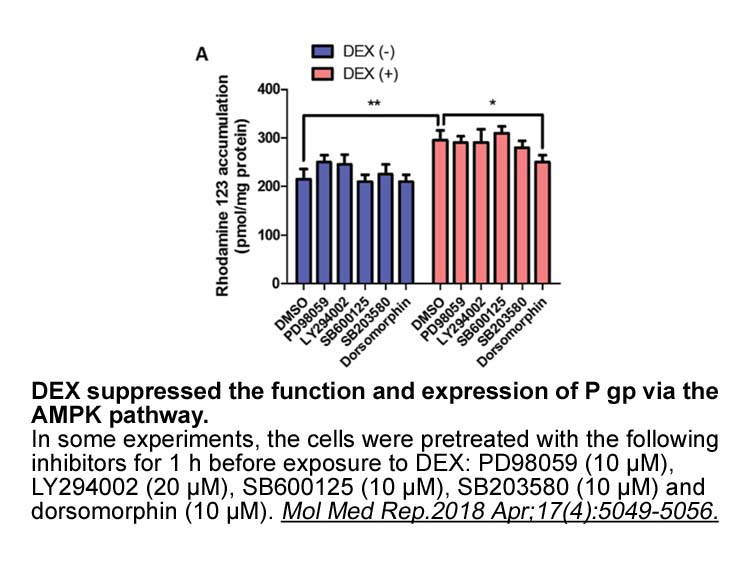
The purpose of the present study is (1) to characterize AChE from the monogonont B. koreanus and to analyze the modulation of the AChE activity and its transcription level after exposure to six pharmaceuticals, (2) to evaluate the usefulness of AChE as a molecular biomarker upon pharmaceutical expos
-
Introduction Cancer which is responsible for a million
2024-02-09

Introduction Cancer, which is responsible for a million deaths each year, is universally feared, and approximately 50% of newly diagnosed cases can be cured [1]. The existing cancer treatments, including surgery, chemotherapy, radiotherapy or a combination of them, are quickly losing efficacy. The
-
and LO are members of the lipoxygenase
2024-02-09
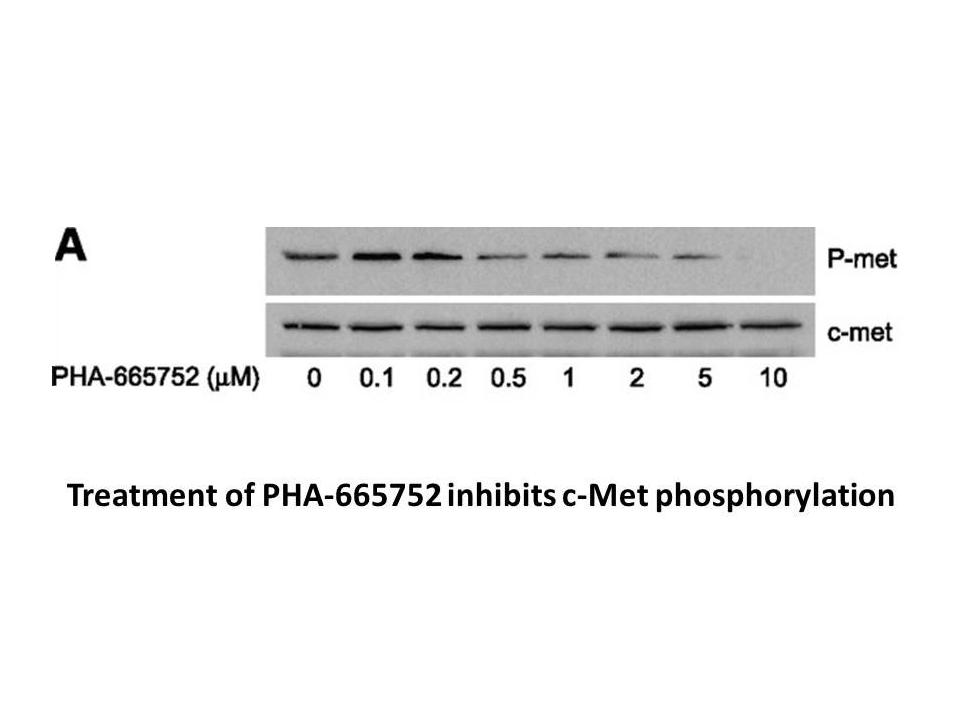
5- and 12/15-LO are members of the lipoxygenase family that convert arachidonic Thonzonium Bromide into lipid mediators such as leukotriene B4 (LTB) and 12()-hydroxyeicosatetraenoic acid (HETE) and 15()-HETE, respectively. Evidence from several in vitro and in vivo studies has shown that activation
-
Analysis of ASK crystal structures as well as
2024-02-09
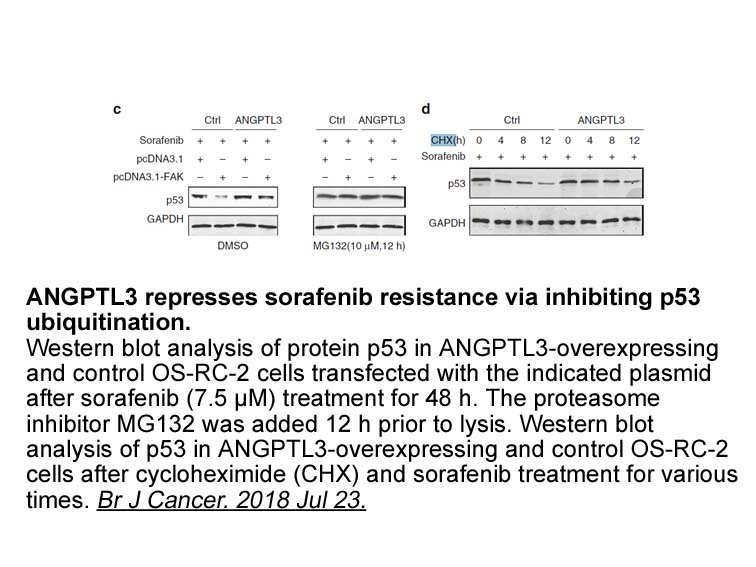
Analysis of ASK1 crystal structures as well as an investigation of how 740 Y-P 4 might bind were undertaken to understand opportunities for engaging Gln756. To this end a docking model derived from PDB 3VW622 was used to predict the binding mode of amide 4 in the ASK1 active site as shown in Fig. 4
-
ARG I is one of the
2024-02-07
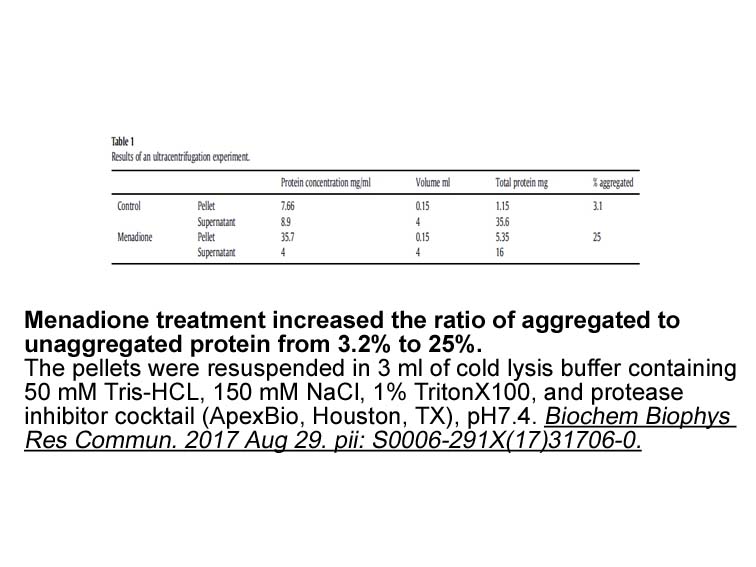
ARG I is one of the most important mammalian enzymes responsible for nitrogen metabolism since it comprises the main route for the elimination of excess nitrogen resulting from amino egfr pathway and nucleotide metabolism [18]. ARG I deficiency leads to hyperargininemia, characterized by progressive
-
Introduction Rapeseed oil production is very important not
2024-02-07

Introduction Rapeseed oil production is very important not only because of its application in food industry, but also in petrochemical branch. Additionally, post-extraction meal and bagasse from oilseed rape are important sources of proteins in animal feedstuffs production. Oilseed rape (Brassica n
-
For hippocampal asymmetry two SNPs rs and
2024-02-07

For hippocampal asymmetry, two SNPs (rs1476679 and rs4147929) showed significant interaction with diagnosis. They have an inverse effect on asymmetry, which is consistent with their different roles as preventative or risk loci in AD. rs1476679 is intronic in the ZCWPW1 gene, is a histone modificatio
-
Although effects of low concentrations of
2024-02-06
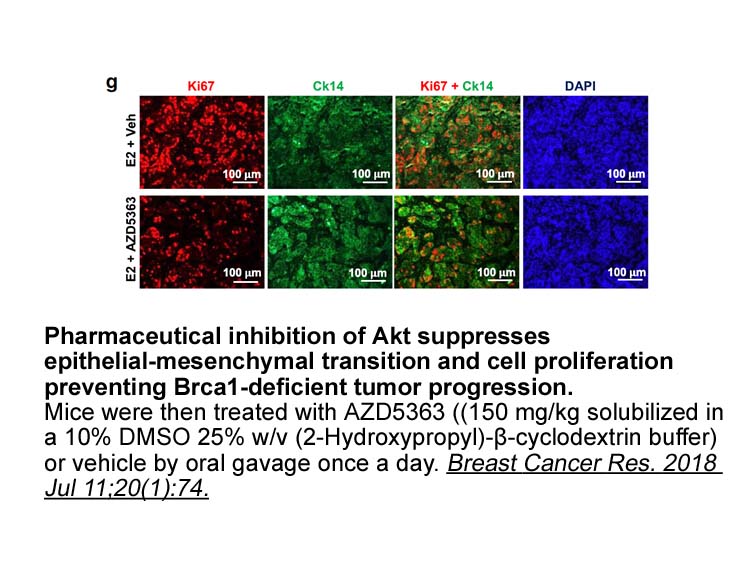
Although effects of low concentrations of agonist were not as thoroughly documented for heteromeric receptors such as the major ESI-09 α4β2 nAChR, a similar mechanism of action was described to explain the potentiation of these receptors with low concentrations of acetylcholine-esterase-inhibiting d
-
A 77636 hydrochloride We have previously shown that the anti
2024-02-06
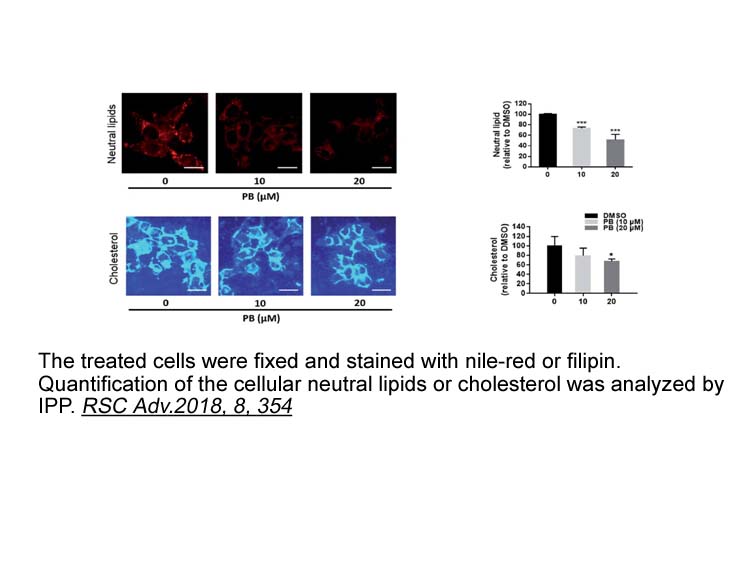
We have previously shown that the antinociceptive effect of tramadol, an analgesic that, like paracetamol is able to increase serotonin levels within CNS, is potentiated or antagonized respectively by a 5-HT1A/B nonspecific A 77636 hydrochloride blockade or activation (Rojas-Corrales et al., 2000).
-
br Experimental procedure br Introduction Migraine
2024-02-06
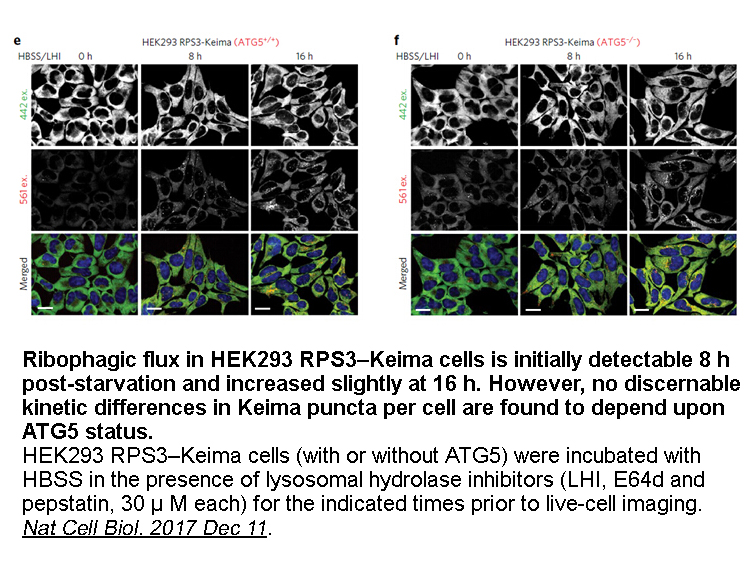
Experimental procedure Introduction Migraine is a debilitating neurovascular disorder characterized by recurring unilateral pulsating headaches of moderate to severe intensity, associated with nausea, photophobia and/or phonophobia, lasting from 4 to 72 h (Headache Classification Committee of
7884 records 225/526 page Previous Next First page 上5页 221222223224225 下5页 Last page