Archives
- 2026-06
- 2026-05
- 2026-04
- 2026-03
- 2026-02
- 2026-01
- 2025-12
- 2025-11
- 2025-10
- 2025-09
- 2025-04
- 2025-03
- 2025-02
- 2025-01
- 2024-12
- 2024-11
- 2024-10
- 2024-09
- 2024-08
- 2024-07
- 2024-06
- 2024-05
- 2024-04
- 2024-03
- 2024-02
- 2024-01
- 2023-12
- 2023-11
- 2023-10
- 2023-09
- 2023-08
- 2023-06
- 2023-05
- 2023-04
- 2023-03
- 2023-02
- 2023-01
- 2022-12
- 2022-11
- 2022-10
- 2022-09
- 2022-08
- 2022-07
- 2022-06
- 2022-05
- 2022-04
- 2022-03
- 2022-02
- 2022-01
- 2021-12
- 2021-11
- 2021-10
- 2021-09
- 2021-08
- 2021-07
- 2021-06
- 2021-05
- 2021-04
- 2021-03
- 2021-02
- 2021-01
- 2020-12
- 2020-11
- 2020-10
- 2020-09
- 2020-08
- 2020-07
- 2020-06
- 2020-05
- 2020-04
- 2020-03
- 2020-02
- 2020-01
- 2019-12
- 2019-11
- 2019-10
- 2019-09
- 2019-08
- 2019-07
- 2019-06
- 2019-05
- 2019-04
- 2018-11
- 2018-10
- 2018-07
-
br Introduction The growth hormone secretagogue receptor
2021-11-06
Introduction The growth hormone secretagogue receptor (GHSR) gene, which was first isolated from rats and humans (Kojima et al., 1999), comprises two exons and one intron in mammals and chicken. The pig GHSR is located on chromosome 13 (range 110,981,465–111,006,149 on Reference Sscrofa11.1). Alt
-
Although domain organization had been clearly delineated by
2021-11-06
Although domain organization had been clearly delineated by the 4.3-Å structure of T4-γ-secretase [], atomic modeling of the side chains had to wait for the 3.4-Å structure []. In total, 598 residues in the transmembrane region and 632 residues in the ECD were modeled for the four components of huma
-
br Results and discussion The synthesis of core aldehyde bui
2021-11-06
Results and discussion The synthesis of core aldehyde building block 2 commenced with known aldehyde 5. The Horner–Wadsworth-Emmons olefination of the latter (using commercially available 6) gave cinnamate ester 7. Facile hydrogenation of the double bond in 7 was achieved over Raney nickel withou
-
br Methods br Results It is well
2021-11-06

Methods Results It is well known that during the onset of vasoconstriction there is an increase in intracellular Ca2+ which activates myosin light-chain kinase followed by cycling of actin-myosin cross-bridges in VSMCs. Recently, it has been recognized that FPS-ZM1 mg polymerization is also in
-
Due to the presence of
2021-11-06
Due to the presence of all FGFRs in the epithelium, there are several FGFs ligands that could be binding to these FGF receptors, namely FGFs 1–4, 8–10, 16 and 18–20. By evaluating the known roles of FGFs in epithelial-mesenchymal interactions and in bone development, this list can be reduced. For ex
-
CDX is also a tumor suppressor gene the ablation
2021-11-06
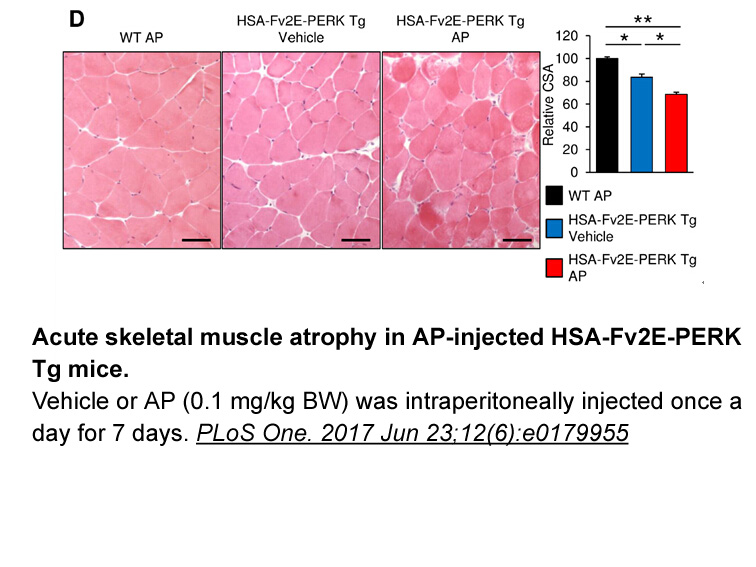
CDX1 is also a tumor suppressor gene; the ablation of CDX1 and CDX2 results in a significant increase in tumor formation in the colon. CDX1 is regulated by epigenetic modification; the hypermethylation of the CpG island at the promoter is positively associated with severe clinical phenotypes. In add
-
br Acknowledgement The authors would like to
2021-11-06
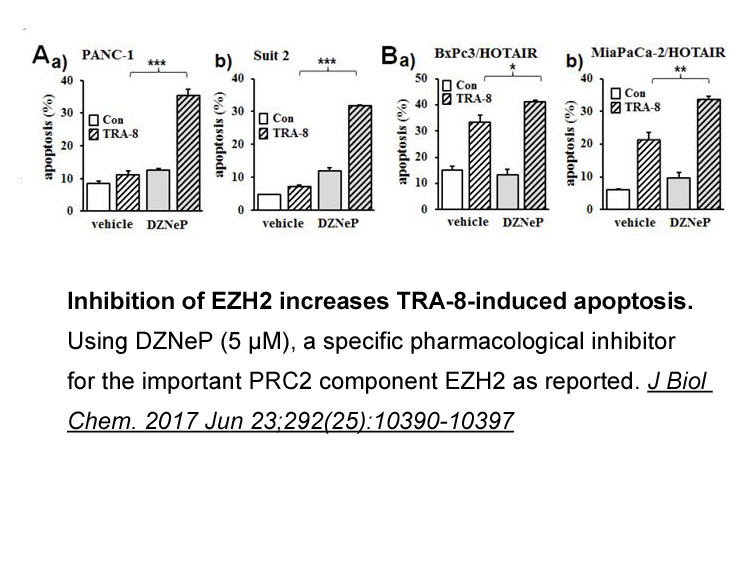
Acknowledgement The authors would like to thank the University of Johannesburg and the National Research Foundation for the financial support. Mr. D Harris and Dr. R Meyer from Shimadzu South Africa are thanked for their technical support. Prof Ian Dubery is thanked for access to the LC-MS instru
-
As the presence of HPV specific antibodies at time of
2021-11-06
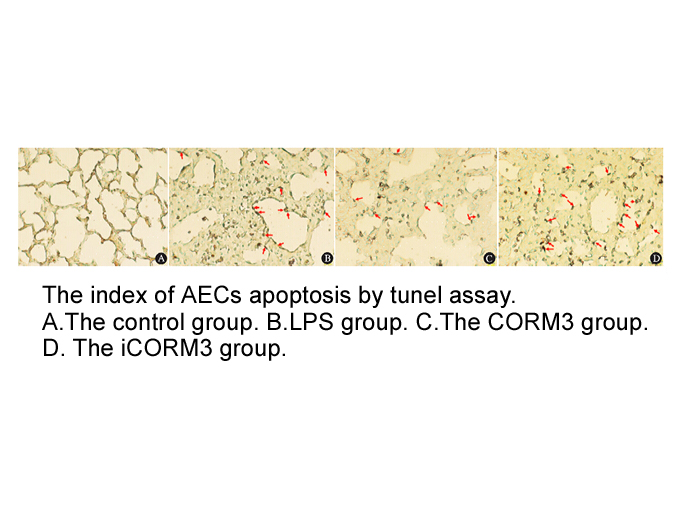
As the presence of HPV-specific AZD2281 at time of vaccination is related to antibody response to vaccination [28], we evaluated its influence on the antibody responses among HIV+ and HIV− individuals at Months 7 and 18. Despite the small numbers, we observed that HIV+ men with detectable serum HPV
-
The coenzyme S adenosylmethionine SAM binding pocket of
2021-11-06

The coenzyme S-adenosylmethionine (SAM)-binding pocket of Set7 is connected to the histone-tail binding groove by a conserved lysine-channel, similarly observed in vSET (Figures 2D and S3). The Set7 SAM-binding pocket is negatively charged as observed in other known HMTase structures. However, the b
-
TLRs were originally identified as
2021-11-06
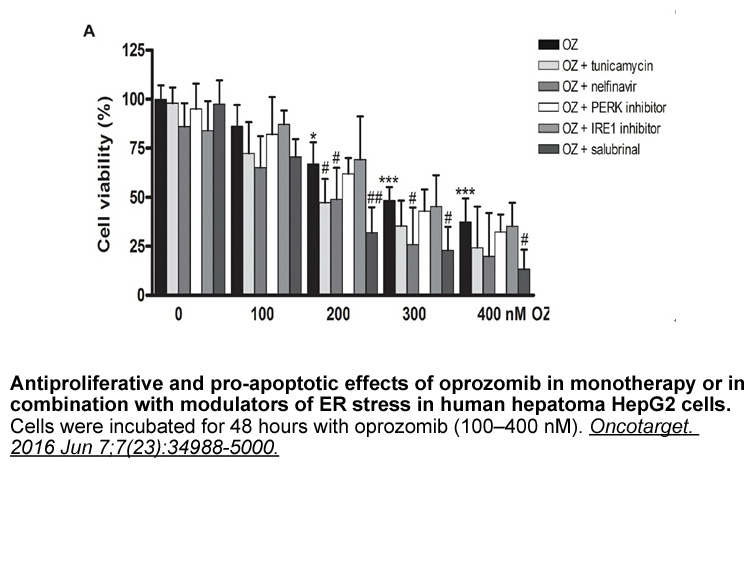
TLRs were originally identified as pathogen-associated molecular pattern recognition receptors that recognized exogenous ligands in response to infection [31]. In cirrhotic mice or patients, the gastrointestinal tract produces and absorbs considerable bacterial LPS with increased permeability of the
-
Taken together this study provides
2021-11-06
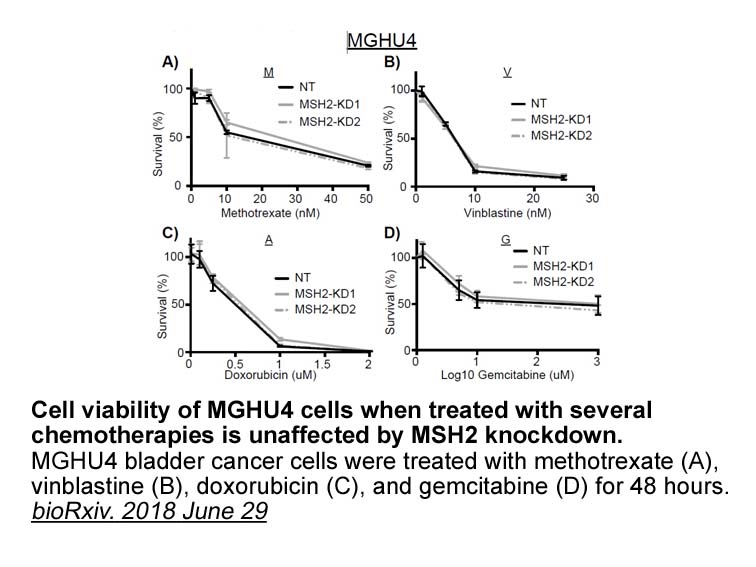
Taken together, this study provides the proof of concept that our novel heterologous human/rat HER2-specific T cell vaccine HuRt-TEXO, which is capable of stimulating both humoral and CTL responses leading to potent antitumor immunity through the circumvention of HER2 tolerance in double transgenic
-
br Heme oxygenase inhibitors Historically the first class
2021-11-06

Heme oxygenase-1 inhibitors Historically, the first class of competitive HO-1 inhibitors was represented by MPs, heme analogs in which the central iron MG 262 of heme is exchanged by another element, such as zinc, cobalt, tin, or chromium. These molecules compete with heme for binding to the enz
-
A common principle to ameliorate underquantification because
2021-11-05
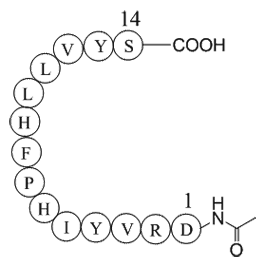
A common principle to ameliorate underquantification because of primer or probe mismatching is to employ multiple targets for detection or quantification of blood borne viruses [14]. Dual targeting real time PCRs have become common for quantification of HIV-1 [15], [16]. In a recent paper arguing fo
-
GK allosteric activators validate the importance of GK
2021-11-05
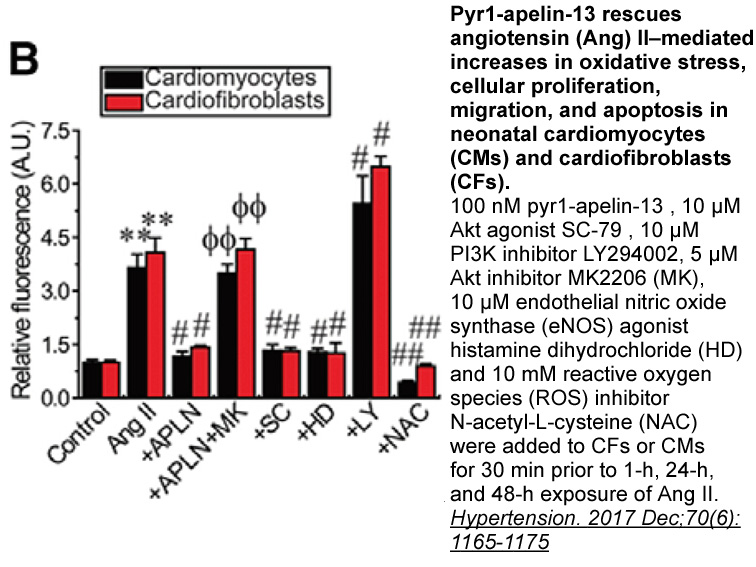
GK allosteric activators validate the importance of GK from a therapeutic perspective, but the nature of allosteric activation of GK remains unclear. The GK allosteric activator site, the pocket where GKAs bind, is ~20 Å remote from the active site (Fig. 1A). The allosteric site is the locus of many
-
br Materials and methods br
2021-11-05
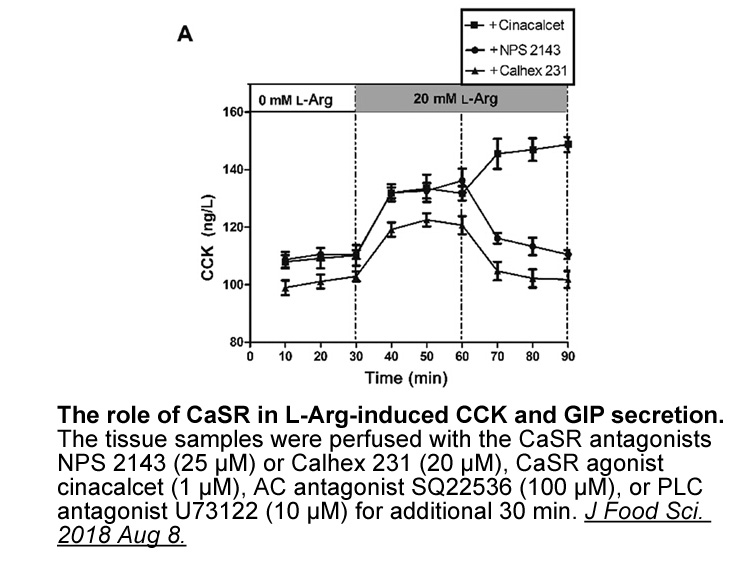
Materials and methods Results Discussion In this study, we demonstrated, for the first time, that manipulation of AKR1D1 expression and activity is able to regulate glucocorticoid availability in liver and non-liver cell lines. AKR1D1 over-expression leads to increased glucocorticoid cleara
15994 records 554/1067 page Previous Next First page 上5页 551552553554555 下5页 Last page