Archives
- 2026-06
- 2026-05
- 2026-04
- 2026-03
- 2026-02
- 2026-01
- 2025-12
- 2025-11
- 2025-10
- 2025-09
- 2025-04
- 2025-03
- 2025-02
- 2025-01
- 2024-12
- 2024-11
- 2024-10
- 2024-09
- 2024-08
- 2024-07
- 2024-06
- 2024-05
- 2024-04
- 2024-03
- 2024-02
- 2024-01
- 2023-12
- 2023-11
- 2023-10
- 2023-09
- 2023-08
- 2023-06
- 2023-05
- 2023-04
- 2023-03
- 2023-02
- 2023-01
- 2022-12
- 2022-11
- 2022-10
- 2022-09
- 2022-08
- 2022-07
- 2022-06
- 2022-05
- 2022-04
- 2022-03
- 2022-02
- 2022-01
- 2021-12
- 2021-11
- 2021-10
- 2021-09
- 2021-08
- 2021-07
- 2021-06
- 2021-05
- 2021-04
- 2021-03
- 2021-02
- 2021-01
- 2020-12
- 2020-11
- 2020-10
- 2020-09
- 2020-08
- 2020-07
- 2020-06
- 2020-05
- 2020-04
- 2020-03
- 2020-02
- 2020-01
- 2019-12
- 2019-11
- 2019-10
- 2019-09
- 2019-08
- 2019-07
- 2019-06
- 2019-05
- 2019-04
- 2018-11
- 2018-10
- 2018-07
-
Among our patients with anti enolase drusen those with a
2020-01-13
Among our patients with anti-enolase drusen, those with a relatively short duration from the onset of visual symptoms to the first visit tended to have normal structure of photoreceptors with preserved visual function, despite the presence of drusen-related RPE abnormalities (Cases 1-3 and 8). In co
-
Ample evidence has shown that ET
2020-01-13
Ample evidence has shown that ET-1 system plays a pivotal role in the development of cardiovascular anomalies and pharmacological inhibition of ETA prevents the development of cardiac hypertrophy [[37], [38], [39]]. Yanagisawa and coworkers, who first reported the cardiomyocyte-specific endothelin A
-
br Materials and Methods br Acknowledgements We thank
2020-01-13
Materials and Methods Acknowledgements We thank the staff of beamlines ID29 and ID30A-1 of the European Synchrotron Radiation Facility. This work was supported by, the Marie Curie Career Integration Grant (PCIG13-GA-2013-630755), the Israel Science Foundation (Grant 1383/17) and the Israeli Ca
-
As described above when EGCG was orally administered
2020-01-13
As described above, when EGCG was orally administered, CYP3A expression in the liver decreased; however, the CYP3A expression level in the intestine was unchanged (Fig. 3). Although we remain speculative, one reason for this may be that because the level of intestinal bacteria in the upper part of t
-
br Materials and methods br Results br Discussion TP has
2020-01-13
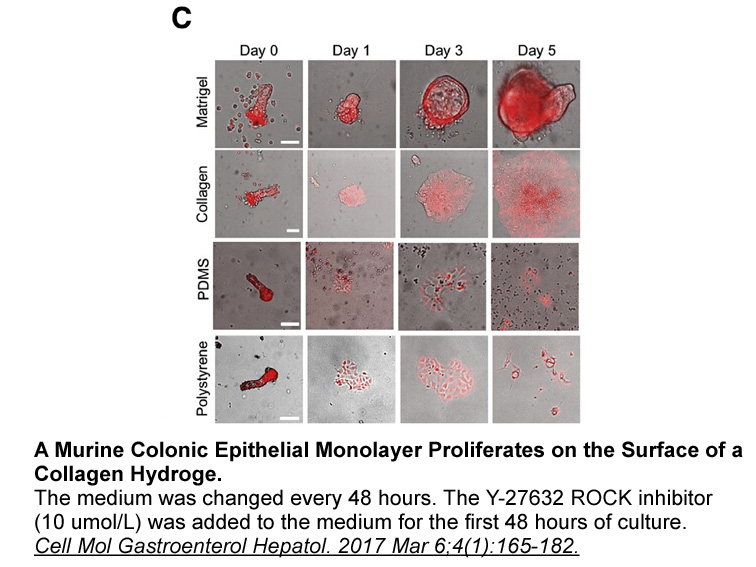
Materials and methods Results Discussion TP has aroused extensive explorations because of its potent anti-inflammatory, immune-suppressive and antitumor activities. Notwithstanding these, TP has yet to enter Phase II clinical trials owing to its severe toxicity (Zhou et al., 2012). TP could
-
Defactinib br Deregulation of CDK Many neurotoxic or stress
2020-01-13
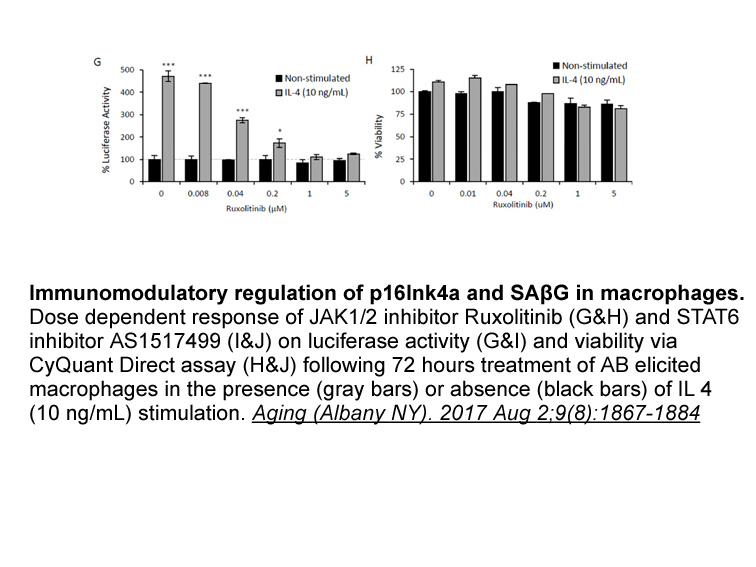
Deregulation of CDK5 Many neurotoxic or stress conditions like ischemic Defactinib damage, oxidative stress, mitochondrial dysfunctions, excitotoxicity, Aβ exposure lead to disruption of the tight regulation of Cdk5 (De Strooper et al., 2010). Calpain-mediated cleavage of p35 to p25 is activated
-
br Results The AR genotype frequencies are shown in Table
2020-01-11
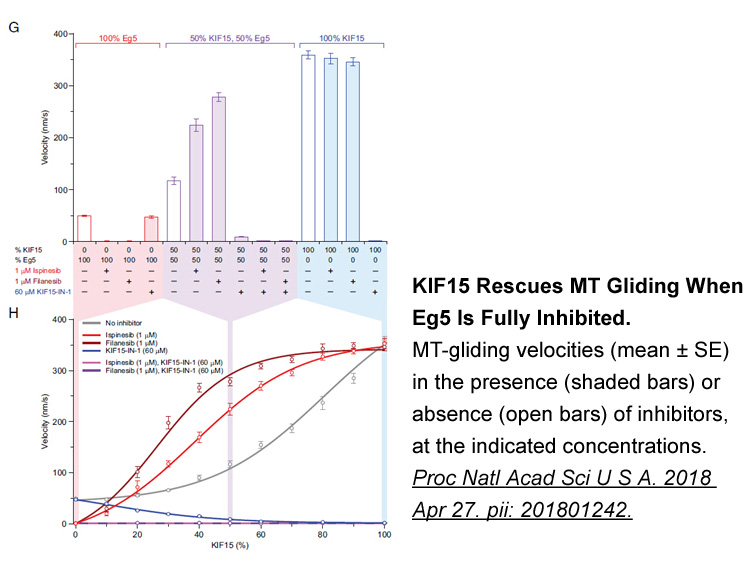
Results The AR genotype frequencies are shown in Table 1. Alleles at the two loci are in linkage disequilibrium, as expected for such closely linked loci and consistent with previous findings (Kittles et al., 2001). The genotype frequency for the DBH 1021 polymorphism is similar to previous find
-
ACAT may act as a dimer of dimer Within
2020-01-11
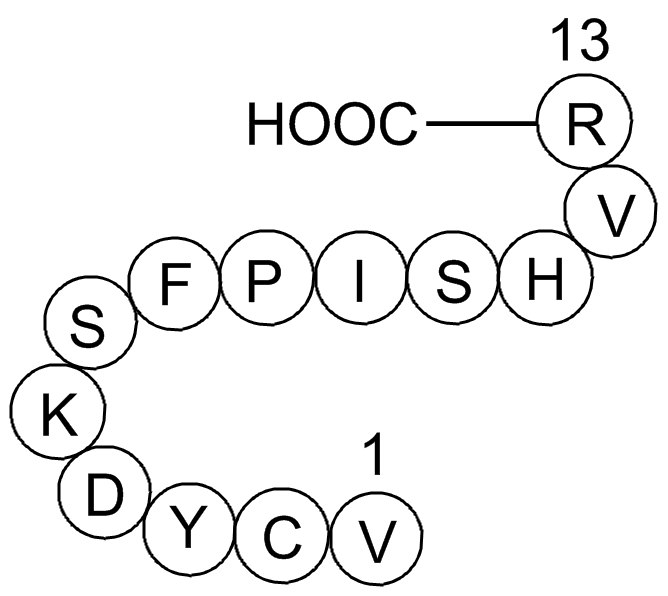
ACAT1 may act as a dimer of dimer [38]. Within each dimer, it may contain two identical sterol substrate sites (designated as site S), and one or two sterol activator site(s) (designated as site A). Site S preferentially binds pregnenolone (PREG); it can also bind a variety of sterols that contain 3
-
As for antiviral activity eight out
2020-01-11
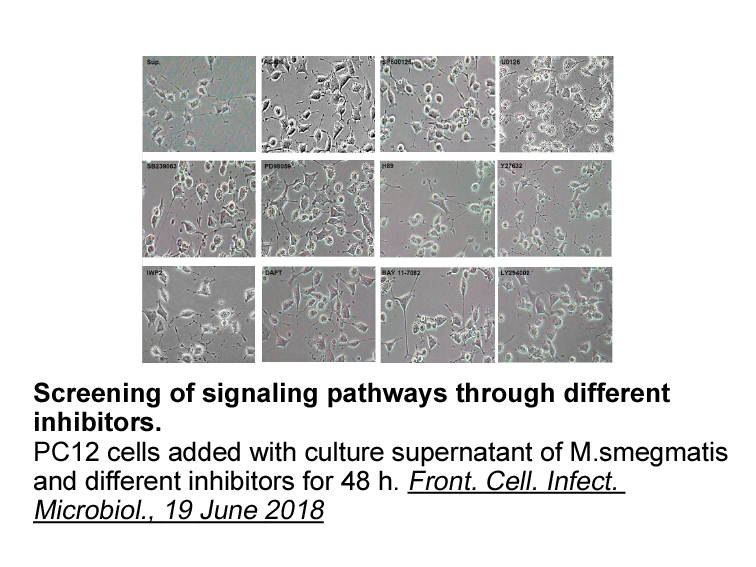
As for antiviral activity, eight out of 23 synthesized compounds were active against influenza B virus with EC50 values in the range of 0.19–39 μM. Four of the eight influenza B hits were active against influenza A and two were also active against RSV (4 and 6, EC50 = 0.40 and 1.8 μM, respectively).
-
br Acknowledgement br Introduction Recent developments in
2020-01-11
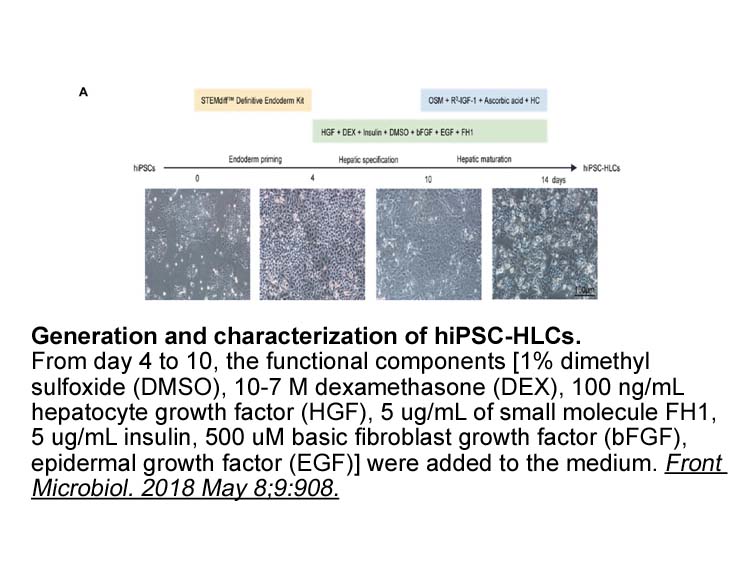
Acknowledgement Introduction Recent developments in cancer immunotherapies have demonstrated durable responses, suggesting that effective immunotherapy would hold promise to improve patient outcome (Gunturu et al., 2013; Hodi et al., 2003; Lutz et al., 2011; Ribas et al., 2009). However, attem
-
Converging evidence suggests that reduced
2020-01-11
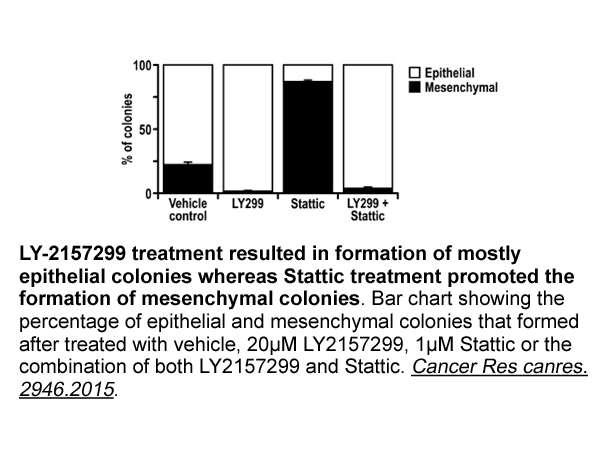
Converging evidence suggests that reduced glutamate transmission in the LS is linked to increased anxiety-like behaviors (Radulovic et al., 1999, Henry et al., 2006, Bakshi et al., 2002, Liu et al., 2004). Therefore, attenuated CRF1 receptor-mediated excitatory transmission in the LS following ASV-t
-
Amrubicin br RING type E s and their substrates There is
2020-01-11
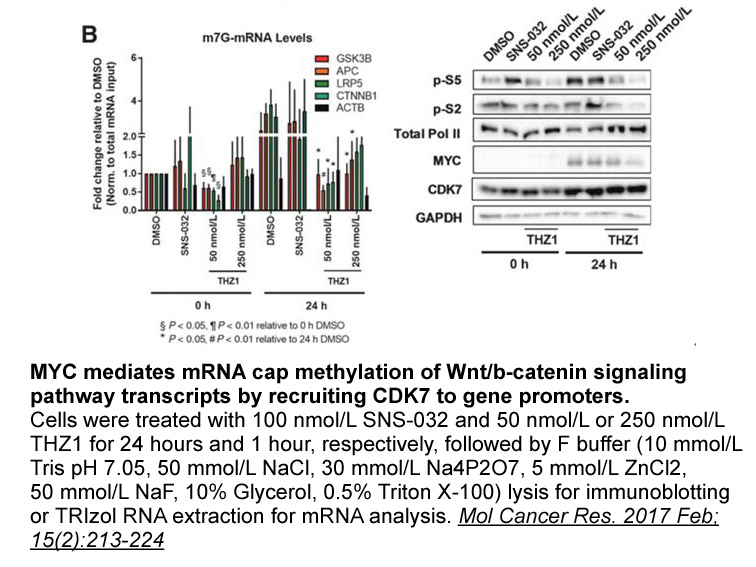
RING-type E3s and their substrates There is enormous diversity in substrate ubiquitination and its regulation, as the targets of RING-type E3s are incredibly varied. RING-type E3s are implicated as tumor suppressors, oncogenes, and mediators of endocytosis, and play critical roles in complex mult
-
br Materials and methods br Results To
2020-01-10
Materials and methods Results To investigate the effect of 17βE on cell proliferation in the human renal tubular epithelia, BrdU uptake was measured in HRTEC primary and 3D-HRTEC cultures, allowing determination of the DNA replication rate. Representative microphotographs show BrdU uptake in H
-
We continued to investigate the
2020-01-10
We continued to investigate the contribution of the EP1 AMG-517 to nociceptive sensitization by utilizing its natural ligand PGE and tested the effect of local subcutaneous injection of PGE (5nmol in 5μl) into one hindpaw on mechanical and heat pain thresholds. Wild-type mice displayed maximum sensi
-
IOX-2 PI K Akt eNOS signaling is long
2020-01-10
PI3K-Akt-eNOS signaling is long been known as a cell survival pathway in cardiology [8]. Current study has shown that ginsenosides, which is demonstrated to exhibit cardioprotective effect in several aspects, prevented cardiac ischemia/reperfusion injury via upregulation of PI3K and phosphorylations
15982 records 900/1066 page Previous Next First page 上5页 896897898899900 下5页 Last page